

Most people come away from Lean Six Sigma training with a notebook full of tools, a new Lean Six Sigma certification and a fairly strong sense that things back at work could run a lot better than they do, which is exactly the frame of mind you want to be in. The harder part tends to arrive a week or two later, when the day job has closed back in around you and you are trying to decide where to actually point everything you have just learned.
Your choice of first project carries more weight than most courses have time to properly explain. Pick well and you get a visible win, a team that starts to trust the method and a manager who is far more likely to back the next piece of work, whereas a poorly chosen project can quietly stall for months and leave people wondering whether Lean Six Sigma was ever going to suit your kind of business in the first place.
Getting that first choice right matters whether you have recently completed Lean Six Sigma training or are about to book it. The thinking below will be most useful to you at Yellow Belt or Green Belt level, although it applies just as much when you are supporting a project that somebody else is leading.
Why Your First Lean Six Sigma Project Sets the Tone
Everyone around you watches the first project far more closely than they will ever watch the fifth, because it is the only evidence they have about whether the time spent in the training room is going to pay back. Colleagues who were never on the course will form their opinion of the whole methodology from what they see you do over the next few months, and first impressions of a new way of working are stubborn things to shift once they settle.
Choosing something achievable is therefore a strategic decision rather than a timid one. A modest improvement that you can measure, finish and show people builds the credibility you need for a wider continuous improvement programme later, and it lets your organisation start to feel the return that Lean Six Sigma brings in a way that no slide from the course ever could.
Where to Look for a Lean Six Sigma Project in Your Own Workplace
The best candidates usually sit in the processes you and your team complain about every week, since complaints tend to be a reliable signal that something is costing time or money even if nobody has put a figure on it yet. Think about the jobs that always seem to need chasing, the forms that come back incomplete and the handovers where work goes quiet for days before anybody picks it up again.
Once you start looking through the lens of the course, most of these frustrations fall neatly into the types of waste your business has learned to live with, whether that is waiting, rework, motion or the extra processing that builds up when nobody questions why a step exists. Repetition matters here, so a small delay that happens two hundred times a month is usually a far better target than a dramatic failure that happened once last year.
Your sector will shape what these opportunities look like in practice, so in a distribution environment you might focus on picking errors or dock turnaround times, which is why so much improvement work in warehousing and logistics starts on the warehouse floor. In an office it could be invoice queries or the time it takes to onboard a new customer. The principle stays the same wherever you work.

Four Questions to Test Any Lean Six Sigma Project Idea
When you have a shortlist of possible projects, running each one past a handful of simple questions will quickly separate the promising ideas from the ones that belong on the back burner for now. Experienced Green Belts and Black Belts ask these questions almost instinctively, and working through them early will save you from committing months of effort to the wrong problem.
Is There Enough Data for the DMAIC Measure Phase?
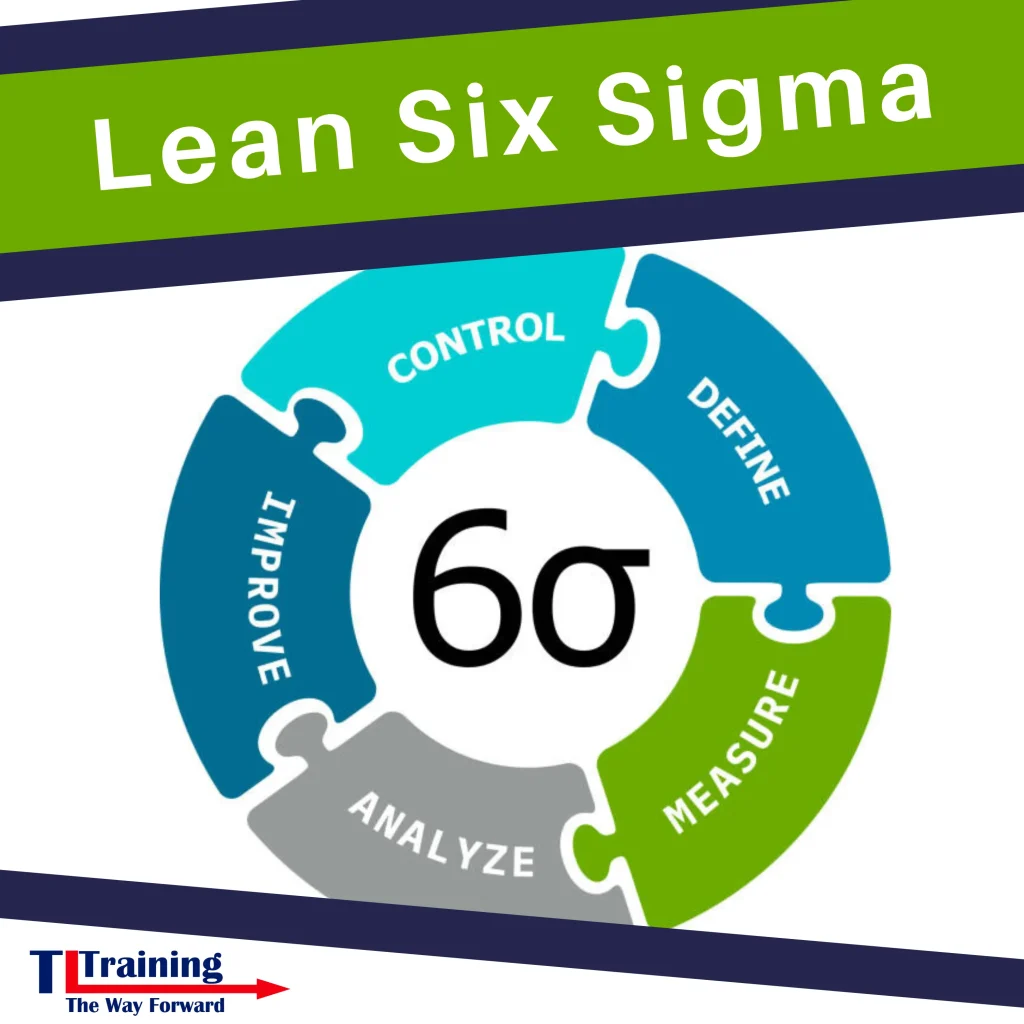
Every project that follows the DMAIC cycle depends on solid data from the Measure phase, so you need to be confident that you can capture a baseline before you commit to anything. If the only evidence you have right now is a general feeling that something takes too long, spend a week or two gathering simple counts or timings first, because a project with no starting number has no way to prove it made a difference.
Does the Improvement Project Sit Within Your Team’s Control?
A first project goes much more smoothly when the process belongs to your own team, or at least to people you work alongside every day. Anything that relies on another department changing its systems, or a supplier agreeing to new terms, brings approvals and delays you have no control over, and those are better saved for when you have a completed project behind you to point to.
Will Your Customers Notice the Process Improvement?
The improvements that win lasting support are the ones people notice without being told about them, such as quicker responses, fewer mistakes landing on their desks or less time spent waiting on you. Keeping the end user in mind stops you from polishing an internal step that nobody downstream cares about, and it keeps your attention on how work really flows through your business rather than how it looks on a process map.
Can a Green Belt Project Finish Within a Few Months?
Scope creep is the most common reason first projects run out of steam, so aim for something you can take from Define to Control within roughly three to six months alongside your normal workload. For smaller and medium-sized businesses in particular, where the same few people wear several hats, a tightly defined project with a clear finish line is far more likely to reach the end than an ambitious one that tries to fix a whole department at once.
Build the Skills to Lead Lean Six Sigma Projects With TL Training
The confidence to choose and lead a project comes from understanding the tools properly, and that is exactly what our belt progression is designed to give you.
The Lean Six Sigma Green Belt is our three-day course for people who will lead improvement projects within their own team or department, and if you do not yet hold a Yellow Belt, the five-day Yellow and Green Belt combined course takes you through the fundamentals and the project leadership skills in one go.
Our courses cover the full progression from White Belt right through to the five-day Lean Six Sigma Black Belt for those ready to lead complex, organisation-wide improvement, and we deliver them at our Wirral training centre as well as on-site across the UK, so your whole team can learn using examples drawn from your own processes.
Picking the right Lean Six Sigma training provider matters as much as picking the right belt, and our instructors bring real-world improvement experience into every session, which is a big part of why businesses have trusted TL Training with their people since 2015.
To talk through which Lean Six Sigma course fits where you are now, or to arrange training for your team, call us on 0151 343 0588 or get in touch with us and we will help you plan your next step.