

If you run or supervise a warehouse, you’ll know how quickly the risks stack up once the doors open, with forklifts crossing pedestrian routes, pallets coming down from height and agency staff joining partway through a shift who may never have set foot on your site before.
Keeping all of that under control relies on people who properly understand risk, and that’s exactly the gap IOSH training is designed to close for both your floor staff and the managers responsible for them.
The appeal for logistics businesses lies in how practical the courses are, since IOSH training centres on the everyday decisions people make rather than legal theory they’ll have forgotten by the following week. This post looks at how the different IOSH training courses map onto typical warehouse roles, and how you can fit them around shift patterns and peak season without disrupting your operation.
Why IOSH Training Suits the Pressures of Warehouse Work
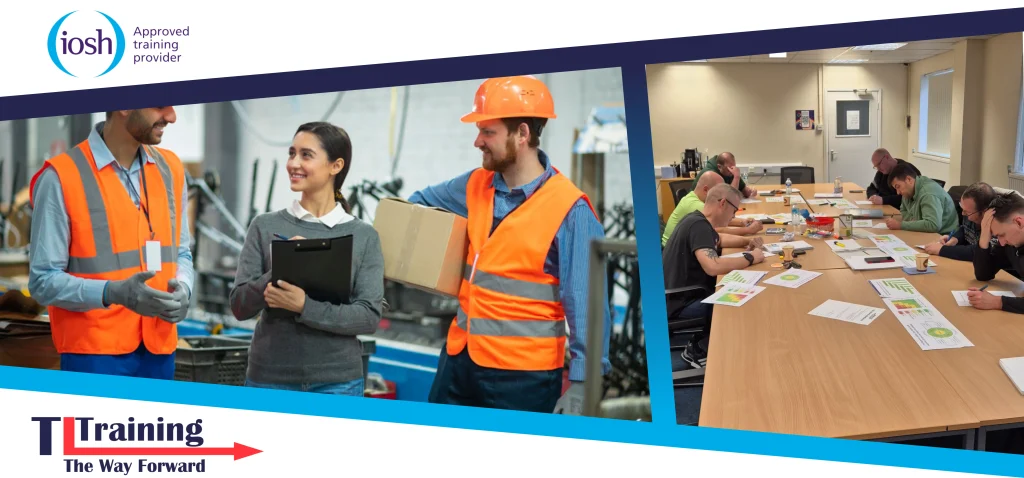
Warehousing brings together several of the most common causes of workplace injury, from slips and trips on busy floors to manual handling strains and collisions between vehicles and people, and it does so in an environment where pick rates and dispatch deadlines can quietly push safety down the list.
IOSH training gives your team a shared way of spotting those risks early and dealing with them before they turn into incidents, rather than leaving a handful of experienced staff to keep everyone else out of trouble.
Staff turnover makes that shared language even more valuable, because a warehouse that leans heavily on seasonal and agency workers can lose a lot of safety knowledge every time people move on. When you’re working out which IOSH course suits each person in your team, you’ll usually find your warehouse needs a mix of both levels to cover everyone properly.
IOSH Training Courses Matched to Warehouse Roles
The three IOSH training courses build on one another, and the clearest way to decide who needs what is to look at how much responsibility each person carries for other people’s safety. The difference between Working Safely and Managing Safely comes down to exactly that, and in a warehouse it tends to follow your shift structure quite neatly.
IOSH Working Safely for Pickers, Packers and Drivers
IOSH Working Safely is a one-day course for anyone without supervisory duties, which in your warehouse means pickers, packers, loaders, goods-in staff and in-house drivers. It covers hazards, risk and how incidents happen in plain terms, with assessment built into the day, and it’s a qualification plenty of agency workers now fund for themselves to stand out when they’re chasing a permanent role.
IOSH Managing Safely for Shift Managers and Team Leaders
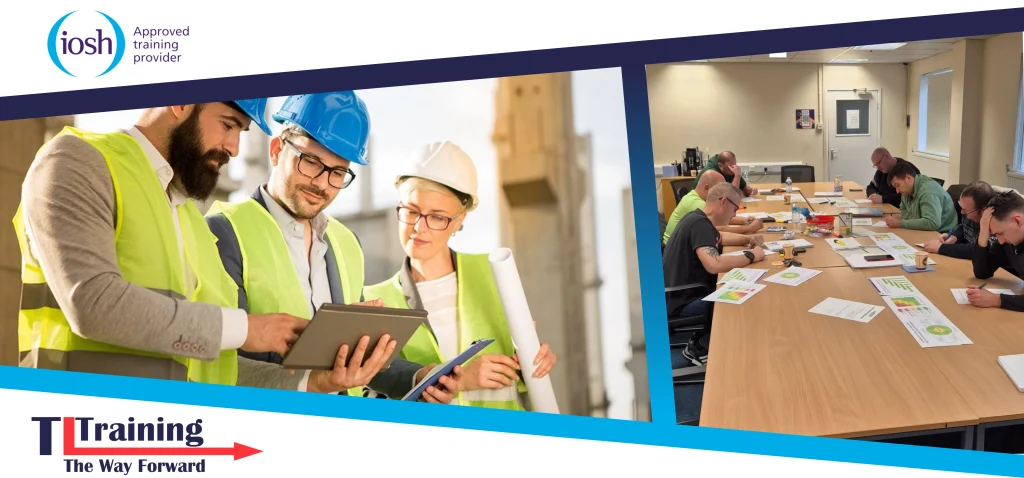
Your shift managers, team leaders and anyone signing off risk assessments should be looking at IOSH Managing Safely, which runs over three days and finishes with a practical risk assessment of their own workplace. That project tends to throw up genuine improvements on your site, which is one reason the course does so much to reduce risk and lift safety performance once your managers are back on the floor.
IOSH Managing Safely Refresher for Experienced Supervisors
IOSH recommends refreshing Managing Safely every three years, and the one-day IOSH Managing Safely Refresher is the quickest way to bring your longer-serving supervisors back up to date. Regular refreshers also stop the health and safety capability you’ve built from fading as procedures, equipment and people change around them.
Fitting IOSH Training Around Shifts and Peak Season
Timing matters more in logistics than in most sectors, because booking courses for October or November usually means pulling managers off the floor just as volumes climb. Planning dates for quieter months and sequencing IOSH training across your organisation so your supervisors go first gives them time to embed what they’ve learned before the wider team follows, and it’s worth lining up any forklift truck training ahead of your busiest season at the same time so everything is done before the rush.
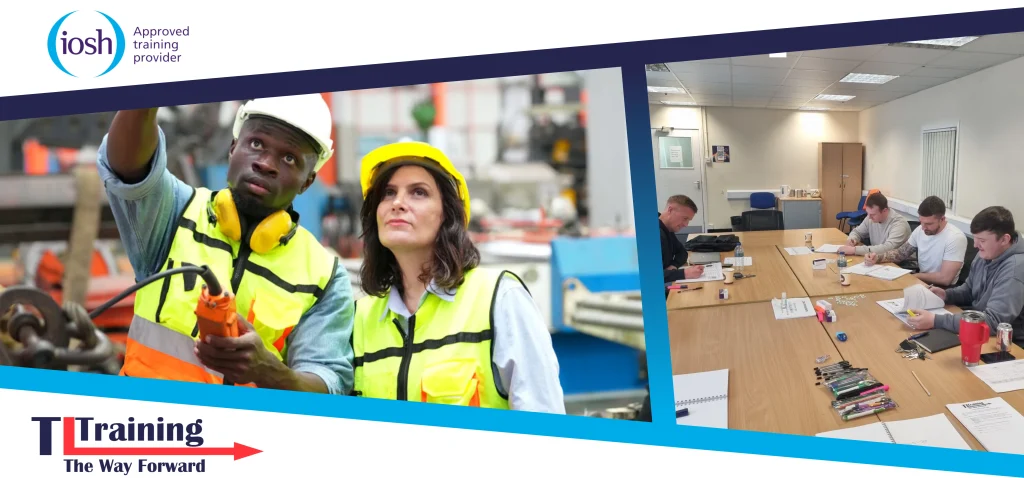
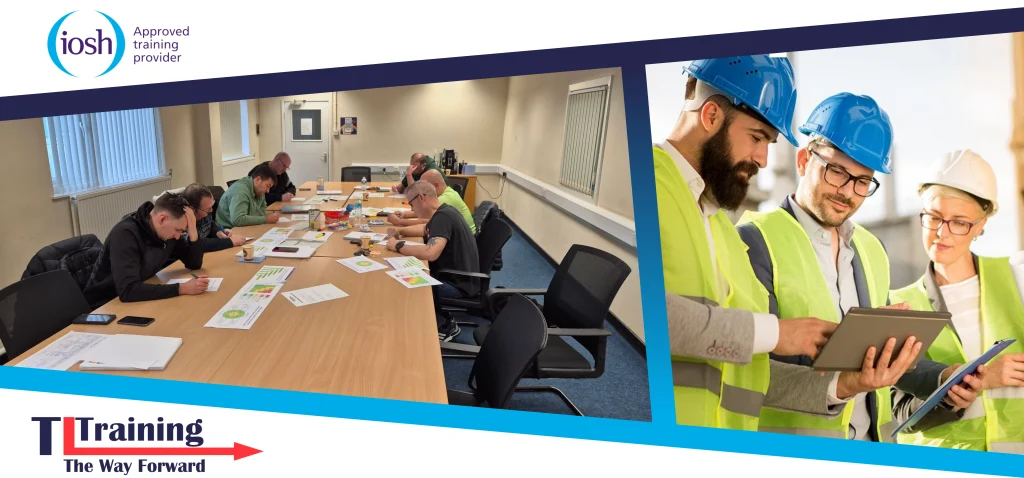
Running a closed course on your own site can make life easier still, since sessions can be arranged around your shift patterns and the examples discussed come straight from your own operation. Whichever format you choose, preparing your delegates before the course begins by explaining its purpose and gathering a few real near misses from your site makes a noticeable difference to how much they bring back with them.
Booking IOSH Training for Your Warehouse Team
Well-trained staff and managers make your warehouse safer, but they also strengthen your hand when customers audit your operation, which is increasingly common for third-party logistics providers whose clients want to see how risk is managed before they hand over their stock. IOSH certificates give you clear evidence for those conversations, in much the same way they help smaller firms win contracts and pass supplier checks.
As an IOSH approved training provider, we run all three courses at our Ellesmere Port centre or on your own premises, so get in touch with our team to talk through the roles in your warehouse and the dates that suit your shifts.