

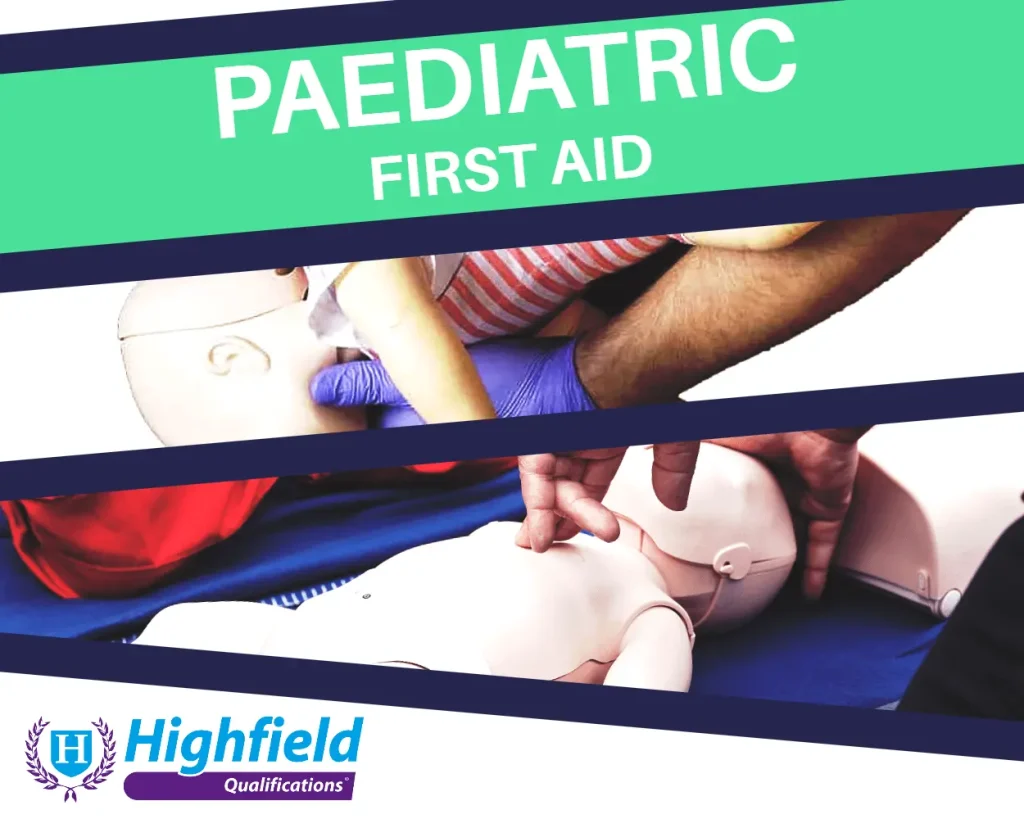
When you are responsible for children, whether that is through your workplace, your organisation, or your family, you are also responsible for what happens in the first few minutes of an incident, and that is where paediatric first aid training can make a practical difference to how confident you feel and how calmly you respond.
You might already have first aid provision in place, but if your environment includes infants and children, you will usually want training that reflects the injuries, illnesses, and safeguarding considerations that come with that responsibility.
In this guide, we explain who paediatric first aid is for, what it can cover, and what you can expect from the Qualsafe Level 3 Award in Paediatric First Aid we deliver at our Ellesmere Port training centre or at your place of work.
Why You Might Choose Paediatric First Aid Training
If you manage staff in childcare, education, clubs, events, or community settings, you are likely thinking about more than compliance, because you also want your team to feel prepared when something goes wrong and a child needs help quickly.
That preparation often comes from training that mirrors the situations your staff could realistically face, then gives them the chance to practise the key skills in a calm setting, so the first time they do CPR or manage choking is not during a real emergency.
If you are a parent, carer, or guardian, the same principle applies, because having a structured approach to common childhood incidents can help you stay focused on what matters, then communicate clearly when you hand over to emergency services or other professionals.

Who Needs Paediatric First Aid, and Who It Can Help Most
Paediatric first aid is usually a strong fit when your day to day responsibilities include infants, toddlers, and children, and you want a recognised qualification that supports safe, consistent responses across your team.
Childcare, Education, and Wraparound Settings
If you oversee a nursery, school, or wraparound provision, training like this can help your staff respond consistently, record incidents appropriately, and follow an approach that supports both first aid delivery and safeguarding expectations. If you are managing staffing and cover, having multiple trained team members can also help you avoid single points of failure when key people are off site.
Parents, Guardians, and Carers
If you are caring for children at home, fostering, or supporting relatives, paediatric first aid can give you a practical framework for dealing with choking, breathing issues, allergic reactions, and injuries, then help you feel more confident about when to monitor, when to escalate, and how to give a clear handover if further care is needed.
Community Groups, Clubs, Sports, and Events
If you run activities where children take part, you are usually dealing with varied medical histories, high energy environments, and the possibility of incidents that happen quickly. Training that includes scenario practice can help you handle those moments with calm organisation, particularly when other adults are watching you for direction.
Paediatric First Aid: What the Course Covers
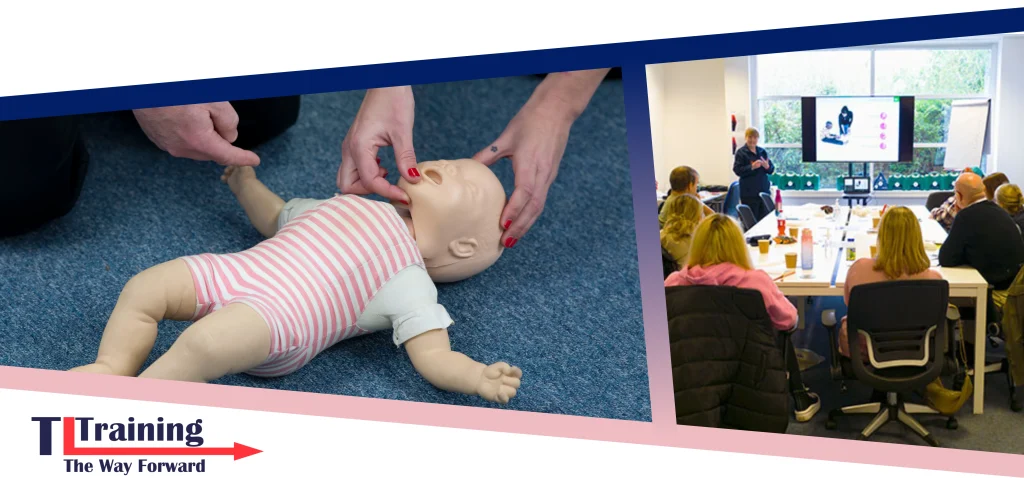
Our paediatric first aid course is the Qualsafe Level 3 Award in Paediatric First Aid (RQF), delivered over two days in Ellesmere Port, with a nationally recognised certificate that is valid for three years. We keep the delivery balanced across theory and hands on practice, so you leave with knowledge you can apply, and you also leave having practised the key skills in a controlled environment.
Key Outcomes You Can Expect
As you move through the course, you can expect to build confidence in the areas that most often create hesitation during real incidents, particularly CPR, choking, and recognising when a child’s condition is worsening.
Our course can help you learn how to:
- Perform paediatric CPR and manage choking in infants and children
- Recognise and respond to medical emergencies (including fits, asthma, diabetes, and allergic reactions)
- Treat injuries (including bleeding, burns, fractures, and shock)
- Understand safeguarding considerations, child development effects, and first aid policies
- Document incidents, hand over responsibly, and provide ongoing care until help arrives
Course Syllabus Overview
Your training can include the role of the first aider in paediatric scenarios, differences between child and adult anatomy and what that means for first aid, airway management, and scenario drills that reflect realistic situations, with practical assessments and guided feedback.
We also cover medical emergencies (such as seizures, croup, and anaphylaxis), injuries (such as head injuries and burns), and external conditions (such as heat or cold exposure, bites, and poisoning), alongside safeguarding and consent considerations, so you have a clear and workable approach.
What Is Included, and What You Need Before You Attend
We support you with instructor led delivery, Qualsafe learner registration, and the training equipment you need to practise properly, including infant and child manikins, AED trainers, and first aid consumables.
You also receive course materials, formal assessment (written scenario questions and practical assessment), and CPD evidence (around 12 guided learning hours), plus refresher reminders, with refreshments and free parking where available.
To attend, you need to be 16+, able to complete assessments in English, and able to take part in practical elements like infant and child CPR, with full attendance required for certification and valid photo ID needed for registration.
If you have learning or access needs, you can speak to us in advance, because reasonable adjustments can often be planned in line with awarding body rules, and our Ellesmere Port venue has step free access, accessible toilets, and parking.

Why Choose TL Training for Paediatric First Aid in Ellesmere Port
If you are arranging training for a team, the quality of the instructor often shapes how confident your people feel at the end, because you want a calm classroom, clear explanations, and enough time to practise skills properly.
Our paediatric first aid courses are delivered by experienced instructors, and we keep the approach practical and people focused, so you have space to ask questions, practise, and leave with a structured method you can apply at work.
Meet Our Instructors
Your course is delivered by trainers with real world backgrounds, which can help you feel more confident about the practicality of what you are learning, especially when you are dealing with high pressure situations involving children.
- Robin, with 12+ years of frontline pre hospital experience as a Community First Responder with North West Ambulance Service, brings calm, real world insight to our first aid training.
- Martin, with 15+ years’ experience in learning and development and first aid training, focuses on accredited, up to date delivery with a quality first approach across the UK.
- Lesley, a friendly, quality focused trainer with 4+ years’ delivery experience and extensive incident management from aviation, keeps sessions practical, calm, and people centred.
- Richard, an ex military first aid and SIA trainer, brings years of professional experience managing high pressure incidents, so you get reassuring, practical guidance.
Booking Your Paediatric First Aid Course in Ellesmere Port
If you want a recognised paediatric first aid qualification that supports you and your team to respond confidently to incidents involving infants and children, you can book the Qualsafe Level 3 Award in Paediatric First Aid with us at our Ellesmere Port venue. Training runs at our training centre in The Technology Centre, Ellesmere Port. Alternatively, if you would prefer delivery at your site, we can also deliver on-site first aid training UK wide.
To book or ask a question, call us on 0151 343 0588 or email [email protected], and you can also view the course details here.