


For Liverpool organisations working with children, understanding paediatric first aid requirements is more than a mere compliance matter. It’s also about ensuring young people’s safety. The specific needs of children during medical emergencies differ significantly from adults, making specialised training essential for anyone responsible for their care and wellbeing.
So, whether you’re legally required to have qualified paediatric first aiders or simply recognise their value, let’s explore who needs this specialist training.
What are the Legal Requirements for Paediatric First Aid in Liverpool?
The Health and Safety (First Aid) Regulations 1981 establish the foundation for first aid requirements in educational settings, mandating that employers provide adequate first aid coverage for their employees. While the regulations primarily focus on staff safety, schools and colleges are strongly advised to extend this coverage to pupils, students, and visitors.
For early years settings, the EYFS statutory framework requires at least one person with a current paediatric first aid certificate to be on premises at all times, with one trained first aider for every 20-30 children in larger settings. Beyond early years, schools must conduct a first aid needs assessment to determine appropriate coverage levels. This assessment should consider factors like student numbers, site layout, and specific risks associated with activities.
Minimum requirements for all educational settings include:
- Suitable first aid containers, properly stocked and readily accessible
- Appointed persons or designated first aiders to manage first aid arrangements
- Clear information about the location of equipment, facilities and first aid personnel
- First aid provision during off-site activities and educational visits
- Basic first aid training for primary school pupils and CPR/defibrillator training for secondary students as part of Health Education curriculum
While teachers cannot be required to administer first aid, they’re expected to act in emergencies to secure student welfare, similar to how parents would protect their children. This duty of care extends across primary and secondary education, making paediatric first aid training valuable for staff working with students up to age 16.
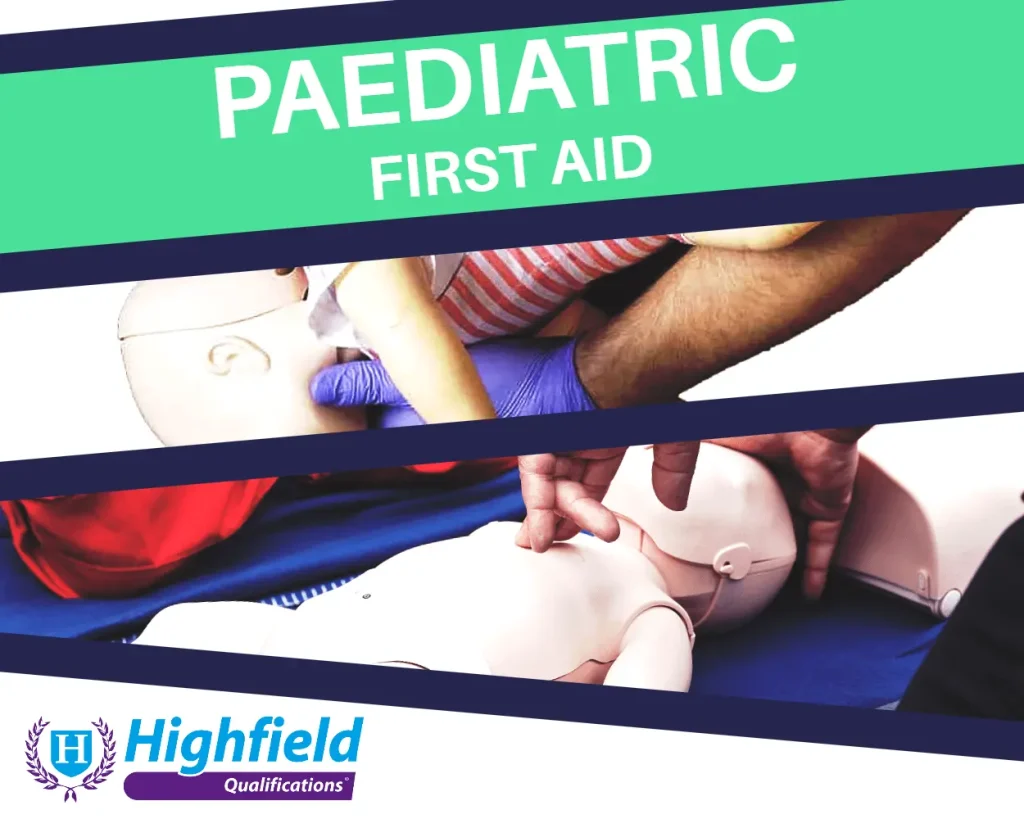
Key Organisations That Benefit from Paediatric First Aid
With the legal requirements covered, let’s delve further into which organisations need paediatric first aid training, whether it’s a specific legal requirement or not.
Primary and Secondary Schools
While not legally mandated, many Liverpool schools choose to have paediatric first aiders to complement their standard first aid provision, especially for younger year groups and early secondary students. This becomes particularly important during breakfast clubs, after-school activities, and school trips where immediate access to emergency services might be delayed.
The transition from primary to secondary education presents unique first aid challenges, with students aged 11-14 still requiring age-appropriate emergency care. School nurses and first aiders trained in paediatric care are particularly valuable during this period, as they understand both the physical and emotional needs of younger students experiencing medical emergencies.
This specialist knowledge proves essential not only in managing common playground incidents but also in handling age-specific situations like sports injuries, asthma attacks, and allergic reactions that may present differently in children than in adults.
After-School Activities and Holiday Provisions
These settings should seriously consider paediatric first aid training due to the active nature of their activities and their responsibility for children outside school hours. With increased physical activity comes higher risk of injuries, making trained staff essential for quick response to emergencies. This is particularly crucial when activities take place away from the main school buildings or during holidays when regular school first aid provision might not be available.
The scope of after-school and holiday activities has expanded significantly, now including:
- School-based after-school clubs run by teaching assistants and external providers
- Independent holiday camps and activity centres
- Youth centres and community-run holiday schemes
- Specialist activity providers (drama groups, coding clubs, art workshops)
- Breakfast clubs and wraparound care services
- Summer sports camps and outdoor adventure programmes
Each of these settings presents unique first aid challenges. While school-based activities might benefit from existing first aid facilities, staff running these sessions need their own first aid training as the school’s regular first aiders may not be present. Holiday schemes operating in community centres or outdoor locations need to be particularly well-prepared, with comprehensive first aid kits and staff trained to handle emergencies in various environments.
Sports Clubs and Recreation Centres
Facilities offering children’s activities or classes benefit from staff trained in paediatric first aid, enhancing their safety protocols and parent confidence. Swimming pools, gymnastics centres, and martial arts academies particularly need this expertise due to the nature of their activities and the specific risks involved.
Local grassroots sports organisations, from Sunday league football teams to community cricket clubs, should also consider paediatric first aid training. While these volunteer-run groups might not be legally required to have trained first aiders, having coaches or team managers with paediatric first aid skills provides crucial emergency response capability during training sessions and matches.
Additional Liverpool Organisations That Should Consider
Places of worship running children’s groups, libraries hosting youth activities, and museums offering educational programmes should also evaluate their need for paediatric first aid training. While not legally required, having trained staff demonstrates a commitment to child safety and can be a deciding factor for parents choosing activities for their children.
Even organisations that only occasionally work with children, such as event venues hosting children’s parties or shopping centres with play areas, should consider having at least one trained paediatric first aider available during operational hours.
Ready to Train Your Paediatric First Aiders?
At TL Training, we provide Highfield-accredited paediatric first aid courses tailored to Liverpool organisations. Our practical, hands-on training ensures your team can respond confidently to children’s medical emergencies, from common playground injuries to more serious incidents requiring immediate intervention.
Whether you need to meet legal requirements or enhance your safety standards, our experienced instructors deliver comprehensive training at our purpose-built Wirral facilities or at your premises.
Contact us on 0151 343 0588 to discuss your paediatric first aid training needs or browse our first aid course availability to book and join the growing number of Liverpool organisations prioritising children’s safety through professional training.