

Every five minutes, someone in the UK has a stroke. For Liverpool residents and businesses, understanding stroke symptoms and knowing how to respond can mean the difference between recovery and severe disability.
As a first aider, you serve as the critical first line of response in stroke emergencies. Your ability to recognise symptoms quickly and act decisively directly impacts patient outcomes. The FAST protocol gives you a clear, systematic approach to stroke recognition that you can rely on under pressure.
In this guide, you’ll learn the exact signs to watch for and the specific steps to take when you suspect someone is having a stroke. Whether you’re a designated workplace first aider or someone looking to expand your emergency response skills, understanding these indicators will help you protect your colleagues, family members, and the wider Liverpool community.
Understanding the FAST Protocol for Stroke Recognition
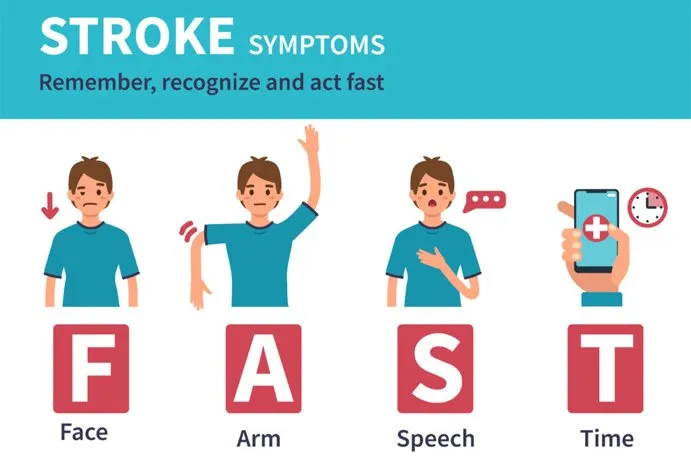
The FAST protocol helps you identify the most common and recognisable stroke symptoms. As a first aider, this systematic approach ensures you don’t miss critical signs when assessing a potential stroke victim. Let’s break down each element of FAST and what you need to check.
F: Face Drooping
When you suspect a stroke, ask the person to smile. Watch for any unevenness or drooping on one side of their face. A stroke often affects facial muscles unilaterally, causing one side to droop or appear different from the other. You may notice that their smile appears uneven or lopsided, or that one side of their face doesn’t move at all. While some people naturally have slight facial asymmetry, new or sudden changes are your key concern.
A: Arm Weakness
Ask the person to raise both arms straight out in front of them, palms facing up. Watch closely as they hold this position for 10 seconds. In a stroke victim, one arm may drift downward or be unable to lift at all. Pay attention if they report numbness or weakness in one arm, even if they can lift it initially. This test helps you identify muscle weakness that might not be immediately visible but indicates a serious problem.
S: Speech Difficulties
Listen carefully to the person’s speech and ask them to repeat a simple phrase like “The sky is blue today.” During a stroke, speech may become slurred, garbled, or completely absent. The person might struggle to find the right words or be unable to speak at all. While speech problems can have many causes, sudden onset speech difficulties combined with other FAST symptoms strongly indicate a stroke.
T: Time to Call Emergency Services
When you recognise any FAST symptoms, call 999 immediately. Every minute counts. The faster a stroke victim receives medical attention, the better their chances of recovery. Merseyside is also fortunate in that it boasts specialised stroke units, including those at the Walton Centre and Aintree University Hospital, providing rapid response stroke care. While waiting for emergency services, note the exact time you first noticed symptoms and keep the person calm and still.
Additional Stroke Warning Signs: Beyond FAST
While FAST covers the most common stroke symptoms, you must be aware of other warning signs requiring immediate action. As a first aider, recognising these additional symptoms strengthens your ability to assess potential stroke emergencies.
Sudden and Severe Symptoms
Watch for these immediate red flags:
- Severe headache with no known cause
- Sudden dizziness or loss of balance
- Unexpected difficulty seeing in one or both eyes
- Confusion or trouble understanding simple instructions
- Sudden numbness, especially on one side of the body
High-Risk Situations That Demand Extra Vigilance
Pay particular attention when:
- The person has recently had a minor stroke or TIA
- They report experiencing unusual symptoms earlier that day
- Multiple symptoms appear simultaneously
- The person has a history of high blood pressure or heart problems
When to Take Immediate Action
Call 999 immediately if you observe:
- Any combination of FAST and additional symptoms
- Symptoms that appear and disappear quickly
- The person insisting “it’s nothing” despite clear warning signs
- Loss of consciousness, even briefly
Remember, your role as a first aider isn’t to diagnose a stroke but to recognise potential symptoms and act quickly. When in doubt, treat any sudden onset neurological symptoms as an emergency requiring immediate medical attention.
Why Liverpool Businesses Need Stroke Recognition Training
Whether you’re a business owner in Liverpool or a manager in charge of health and safety, you need to understand that your first aid responsibilities extend beyond basic compliance. With over 100,000 strokes occurring annually in the UK, your workplace needs trained staff who can recognise and respond to stroke emergencies.
The Health and Safety (First Aid) Regulations 1981 also require you to provide adequate first aid coverage based on your workplace risk assessment. However, stroke recognition training offers benefits far beyond meeting legal obligations.
Investing in comprehensive first aid training for your team creates a safer workplace where employees feel protected and valued. Trained staff members become confident responders who can act decisively in emergencies, potentially saving lives during those critical first minutes of a stroke.
This knowledge extends beyond your workplace – your trained employees carry these life-saving skills into their communities, protecting their families and fellow Liverpool residents.
First Aid Training Courses in Liverpool: Protecting Your Workplace
At TL Training, we offer two comprehensive first aid qualifications that include stroke recognition as part of the syllabus. Our Emergency First Aid at Work (1-day) and First Aid at Work (3-day) courses cover the FAST protocol and other critical emergency response skills.
Our Highfield-accredited training courses deliver the highest standards of first aid education, with experienced instructors providing hands-on practical training at our purpose-built facilities in Wirral.
To book your place on a first aid training course at our Wirral training centre, view our course calendar here. Alternatively, we provide on-site training for groups across Liverpool and the Merseyside region. If you would prefer on-site training, please contact our team on 0151 343 0588 to discuss your first aid training requirements.